

You might wake up thinking, ‘Why do my legs feel like lead?’”
Recovering from chemotherapy is more than just waiting for your body to bounce back. It’s about slowly rebuilding what treatment may have taken away—your energy, your confidence, and your strength. The fatigue, muscle weakness, and mental fog can feel like they’ve taken over your life, but healing is possible—with patience and the right steps.
One of the most common questions survivors ask is: “How do I regain my strength now?” The good news is, you don’t need to rush. You don’t need to go hard. You just need to start—gently, consistently, and with awareness.
In this post, we’ll walk you through what really causes weakness after chemo, practical steps to regain strength safely, and the emotional mindset that makes all the difference.
Why Chemotherapy Weakens the Body
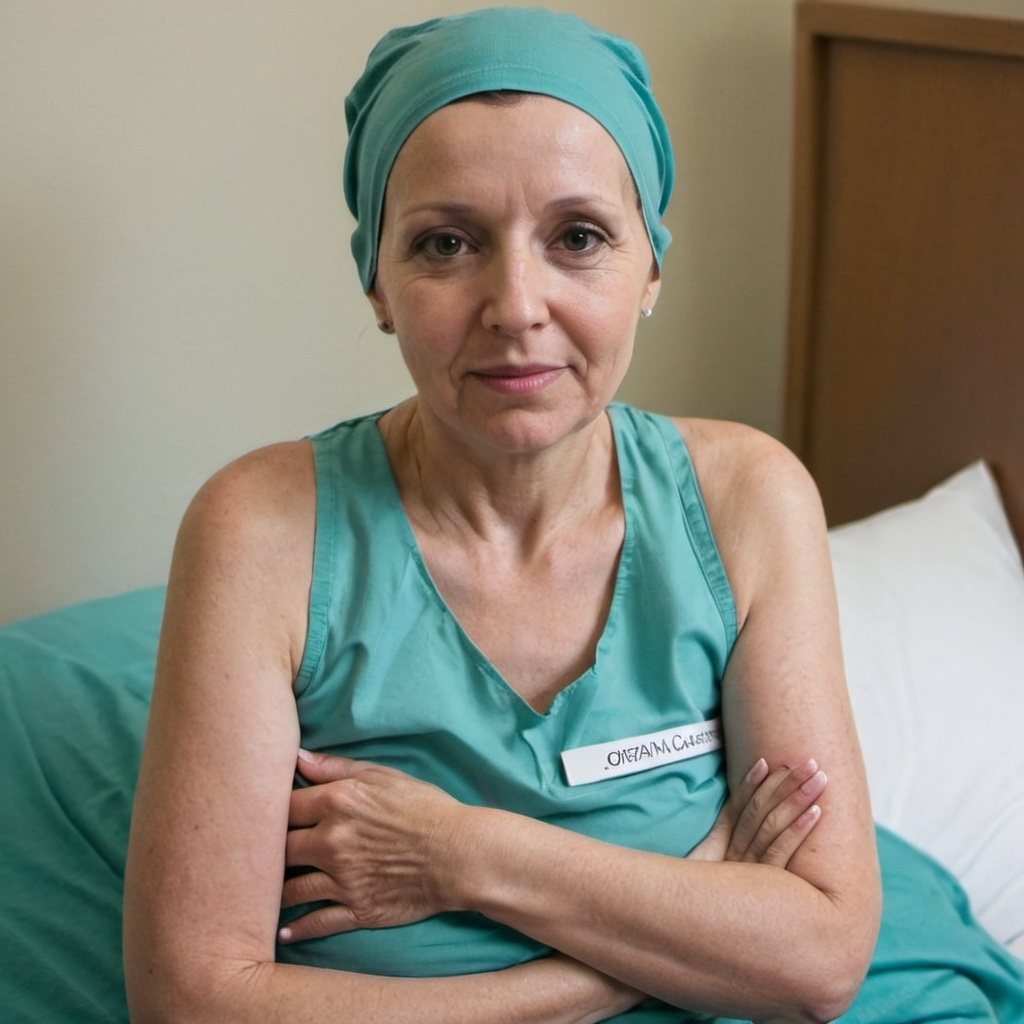
Chemotherapy is designed to target fast-growing cancer cells—but in the process, it also affects healthy cells, especially in the muscles, digestive system, and bone marrow. This results in a cascade of side effects that contribute to weakness long after treatment ends.
Here are some key reasons why you may feel drained or physically limited:
- Muscle loss (sarcopenia): Lack of physical activity during treatment leads to muscle breakdown, which weakens your body.
- Nerve damage (neuropathy): Some chemo drugs affect the nerves in your hands and feet, making it harder to balance or grip things.
- Low red blood cell count (anaemia): Less oxygen reaches your muscles, making everyday tasks feel exhausting.
- Nutritional deficiencies: Chemo can reduce appetite and interfere with nutrient absorption, leading to fatigue and poor recovery.
- Mental and emotional strain: Anxiety, depression, or fear of movement can keep you inactive, compounding the weakness.
According to the American Cancer Society, staying physically active during and after treatment plays a crucial role in improving long-term outcomes
Foundations for Safe Strength Building

Before starting any routine, it’s important to build a solid foundation. Regaining strength isn’t about pushing through—it’s about rebuilding with care, consistency, and confidence.
1. Get Medical Clearance
Always consult your oncologist or a cancer rehab physiotherapist before starting any physical activity. They can guide you on safe options based on your treatment history and recovery stage.
2. Start Small and Listen to Your Body
Begin with 5–10 minutes of gentle movement daily. This could include light stretching, slow walks, or seated exercises. Pay attention to how your body feels—not every day will look the same.
3. Focus on Form, Not Intensity
It’s not about doing more—it’s about doing it right. Controlled, steady movements reduce the risk of injury and allow your body to rebuild strength gradually, especially if you’re dealing with neuropathy or joint stiffness.
4. Be Consistent, Not Perfect
Recovery doesn’t follow a straight line. The goal is to create a rhythm—daily or every alternate day—that supports you without overwhelming. Progress happens through small, repeated steps.
5. Track and Reflect
Keep a simple recovery journal. Note what activities you tried, how your body responded, and how you felt. This builds awareness, helps with adjustments, and lets you celebrate progress.

Types of Exercises That Help After Chemotherapy
Not all movement is created equal—especially after chemotherapy. The right exercises depend on your energy levels, physical limitations, and where you are in your recovery. What matters most is choosing forms of movement that rebuild strength without straining the body.
As explained by Macmillan Cancer Support, gentle movement like walking, stretching, or light strength work can be incredibly beneficial during recovery.
Here’s a breakdown of safe, effective options:
1. Gentle Aerobic Activity
Low-impact cardio like slow walking, cycling on a stationary bike, or water-based movement helps improve blood circulation and stamina.
Start with just 10–15 minutes and gradually build up. Even a walk around your home or garden can boost energy and mood.
2. Light Strength Training
Chemotherapy often leads to muscle loss. Using resistance bands or body weight (like wall push-ups or sit-to-stand exercises) helps rebuild strength gradually.
Focus on functional movements—lifting light objects, climbing stairs, or rising from a chair—guided by a physiotherapist if needed.
3. Flexibility and Mobility Work
Stretching routines, yoga poses, or joint rotations restore your range of motion and ease stiffness.
This is especially helpful for survivors dealing with scar tissue tightness or postural imbalances after surgery.
4. Balance and Coordination Exercises
Simple balance drills—like standing on one foot while holding onto a chair, or slow heel-to-toe walking—can prevent falls and improve stability.
This is crucial for those experiencing neuropathy or dizziness.
5. Seated or Bed-Based Movements
If you’re feeling weak or recovering from recent treatment, seated exercises (like leg lifts, arm circles, or chair yoga) allow you to stay active without strain.
They’re gentle, adaptable, and still effective in promoting circulation and strength.
Practical Recovery Tips for Daily Life
Exercise is just one part of the puzzle. Daily habits, environment, and mindset all play a role in regaining strength after chemotherapy. These small, consistent actions support healing without adding pressure.
- Set a Simple Routine: Create a daily rhythm that includes light movement, rest, hydration, and nutrition. When your day feels predictable, your body adjusts better—and your energy is less likely to crash.
- Use Visual Cues or Reminders: Place sticky notes or gentle alarms to remind you to stretch, breathe deeply, or take a short walk. A soft nudge is often more effective than sheer willpower when energy is low.
- Optimise Your Environment: Keep essentials—water, cushions, walking aids, or supportive shoes—within reach. Modify your space for comfort and safety. A small change like moving items to lower shelves can reduce strain and boost independence.
- Pair Movement with Daily Activities: Stretch your arms while waiting for water to boil. Do a few shoulder rolls before watching TV. Walk a few laps around the room while talking on the phone. These micro-movements add up.
- Rest is Not a Setback: Allow yourself to rest without guilt. Healing takes energy. On low-energy days, even deep breathing or a slow head roll is enough. The goal is not to ‘do more’—it’s to support recovery without burnout.
Emotional and Mental Strength After Chemotherapy
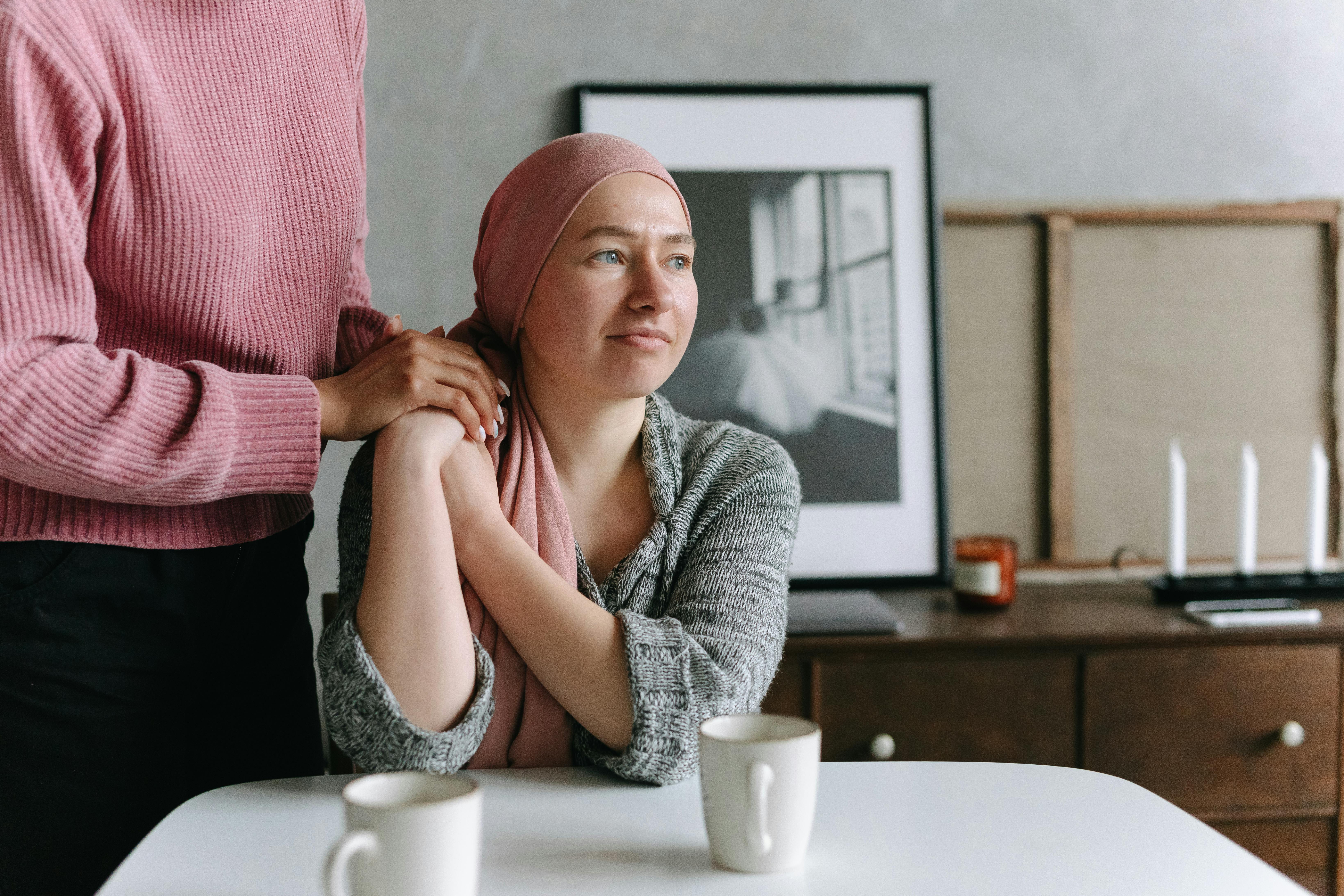
Chemotherapy takes a toll on more than just the body. It can leave behind a trail of emotional exhaustion, uncertainty, and fear. Regaining strength also means tending to your emotional and mental well-being—because true recovery is never just physical.
Acknowledge What You’ve Been Through
It’s okay to not feel okay all the time. Let yourself grieve what’s changed, honour your resilience, and give space to the feelings that arise. Healing begins with acceptance, not resistance.
Set Small, Uplifting Goals
These don’t have to be big or dramatic. A goal could be “take a 10-minute walk” or “try a new healthy recipe.” Reaching small goals builds confidence and gives you a sense of forward movement.
Create Moments of Joy
Watch a light-hearted movie. Listen to music that calms or energises you. Call someone you love. These moments, however small, help you feel more like yourself again—and they matter more than you think.
Lean on Others (Without Guilt)
You don’t have to carry everything alone. Whether it’s a friend, a support group, a therapist, or an online community, having someone to talk to can lighten the emotional weight of recovery.
Practice Self-Kindness
Some days will be harder. On those days, treat yourself the way you’d treat a dear friend—with patience, understanding, and care. Progress isn’t a straight line, and strength also means allowing yourself to rest.

When and How to Seek Professional Guidance
While self-care and gentle movement are powerful, there are times when expert help is not just helpful—it’s essential. Knowing when to seek professional support can make your recovery safer, more effective, and less stressful.
Don’t Wait for a Crisis
You don’t need to wait until something feels “wrong.” If you’re unsure how to move forward, or if you’re not progressing as expected, that’s reason enough to speak to someone with experience in cancer rehabilitation.
Start With Your Doctor or Oncologist
Always get clearance before starting or modifying any exercise routine. Your oncologist can guide you on safe options based on your treatment history and refer you to specialists if needed.
Connect With a Cancer Rehab Physiotherapist
These professionals are trained to understand post-chemo limitations. They can create a personalised plan that helps rebuild strength without risking injury. Even just a few sessions can offer clarity and confidence.
Ask for a Nutrition Consultation
Fatigue and weakness are often linked to diet. A registered dietitian, especially one experienced in cancer care, can help you adjust your food choices to better support energy and recovery.
Mental Health Support Is Strength
Emotional fatigue can feel just as heavy as physical exhaustion. Don’t hesitate to speak with a counsellor or join a support group. Mental clarity and emotional release are key to rebuilding resilience.
Final Words
Regaining strength after chemotherapy isn’t about bouncing back overnight—it’s about showing up for yourself, gently and consistently. Your body has been through something incredibly hard, and the fact that you’re looking for ways to heal is already a sign of strength.
Whether you’re walking a few more steps today than yesterday, trying a new stretch, or simply giving yourself permission to rest, it all counts. Progress doesn’t need to be loud to be meaningful.
Stay patient with your body. Stay kind to your mind. And know this—you’re not alone on this path. There’s support, guidance, and healing waiting for you, one intentional step at a time.
Need more practical tips and emotional support for your cancer recovery journey?
Stay connected with CanRehabPT for helpful blog posts, personal insights, and trusted advice created just for you.
I like meeting utile info, this post has got me even more info! .